





HVAC Services in Chicago Metro for Reliable Year-Round Comfort

Keeping a home, workplace, or commercial facility comfortable in the Chicago area requires equipment and systems that can handle major seasonal changes. Coolastic Heating & Cooling Services helps customers evaluate heating, cooling, refrigeration, airflow, building controls, and related comfort needs before choosing an appropriate next step.
| When to Request Evaluation | What Customers Can Review |
|---|---|
|
Performance has suddenly changed
|
Equipment symptoms and operating concerns
|
|
You are planning ahead
|
Efficiency goals and scheduling needs
|
|
You are unsure what the property needs
|
A professional evaluation before deciding how to proceed
|
Reliable HVAC Support Backed by Practical Local Experience
Choosing an HVAC provider involves more than finding someone who works with heating and cooling equipment. Experience, availability, credentials, and the ability to work with different property types all influence the customer experience.
Heating and cooling expertise since 1988
Licensed and insured
Residential and commercial service
24/7 availability
Free estimates
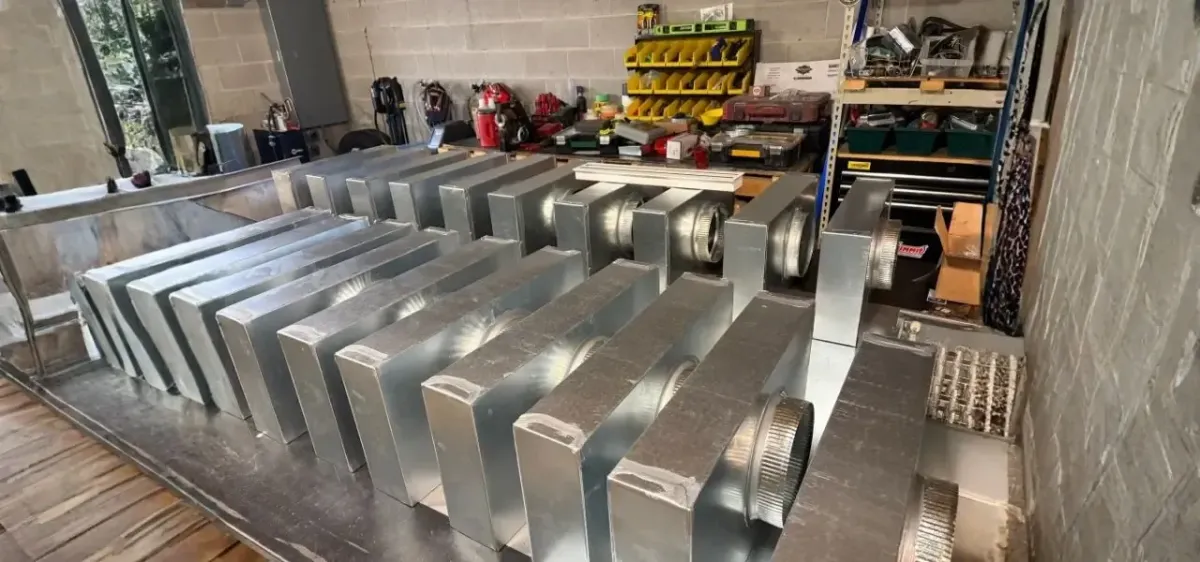
HVAC services in Chicago Metro can include troubleshooting, preventive maintenance, installation planning, replacement evaluations, refrigeration support, building automation, airflow improvements, and custom sheet metal work.
Find the Right HVAC Service for Your Property
Start with the problem you are experiencing rather than trying to diagnose a specific component yourself. A room that will not reach the thermostat setting, for example, could involve the equipment, restricted airflow, duct loss, controls, or a system that is no longer properly matched to the space.
Service may be appropriate when equipment stops operating, repeatedly cycles, creates unusual noises, produces weak airflow, or struggles to maintain consistent temperatures. Maintenance is more useful when equipment is operating but needs seasonal attention, performance checks, cleaning, or preventive care.
Some facilities need additional solutions. Restaurants and temperature-sensitive operations may require commercial refrigeration services. Larger buildings may benefit from improved equipment scheduling or automated controls. Airflow issues can involve ducts or sheet metal, while indoor air quality concerns should begin with an evaluation of filtration, ventilation, humidity, and system conditions.
See our HVAC service overview to compare available options.
Heating, Cooling, Refrigeration, Controls, and Airflow Service Options
Heating and cooling services can support homes and businesses experiencing comfort problems, equipment performance changes, seasonal maintenance needs, or replacement decisions. Because several building systems can influence comfort, a broader evaluation can help determine where attention should begin.
| Service Area | Common Situations | Recommended Starting Point |
|---|---|---|
|
Heating and Cooling
|
No heating or cooling, uneven temperatures, repeated cycling
|
Review service options |
|
Air Conditioning
|
Weak cooling, unusual operation, inconsistent comfort
|
Explore Chicago AC service |
|
Furnace
|
No heat, weak warm airflow, ignition or cycling concerns
|
Explore Chicago furnace service |
|
Commercial Refrigeration
|
Temperature changes, performance concerns, inventory risk
|
Review refrigeration support |
|
Building Automation
|
Scheduling problems, control limitations, multiple zones
|
Discuss building controls |
|
Sheet Metal and Airflow
|
Restricted airflow, duct configuration, fabrication needs
|
Explore custom sheet metal |
This broader service structure can be especially useful when the cause of a comfort issue is unclear.
Residential and Commercial HVAC Needs Require Different Priorities
Residential HVAC services should consider household comfort, room-to-room temperature differences, equipment condition, energy use, airflow, and how occupants use the home. Some properties may need routine care, while others require control adjustments, airflow improvements, equipment evaluation, or replacement planning.
Homeowners should also consider whether comfort problems affect one area or the entire property. A single uncomfortable room may have a different cause than a system-wide performance decline. Providing detailed information about when and where the problem occurs can make the evaluation more productive.
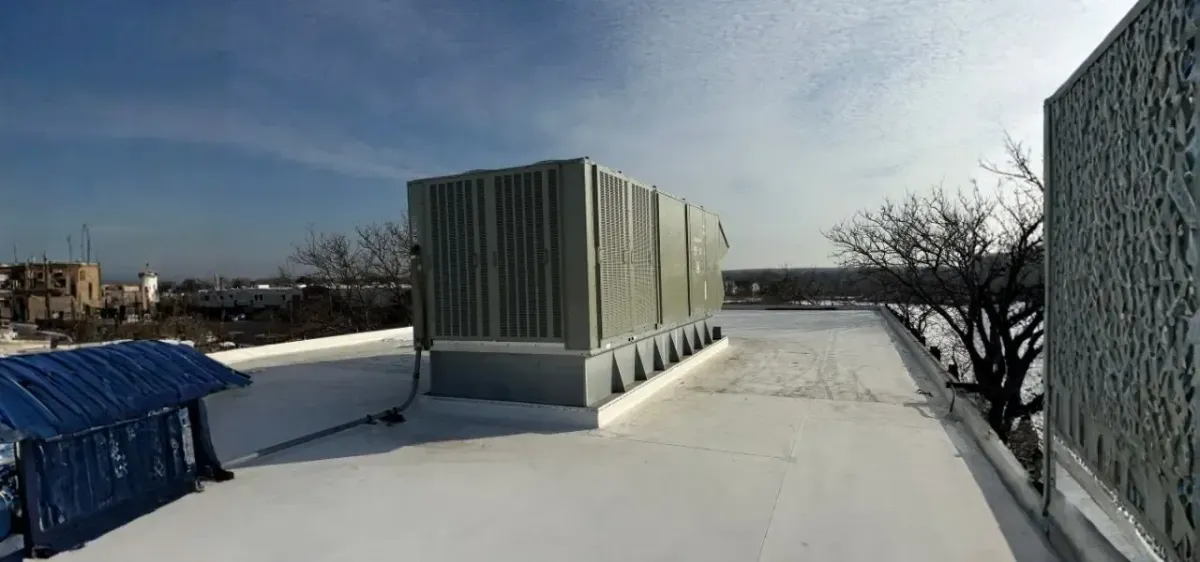
Commercial HVAC services involve many of the same technical fundamentals but can carry different operational priorities. Temperature problems may affect employees, customers, tenants, guests, equipment, or business schedules. Larger spaces may also include multiple zones, control systems, refrigeration equipment, or more complex airflow requirements.
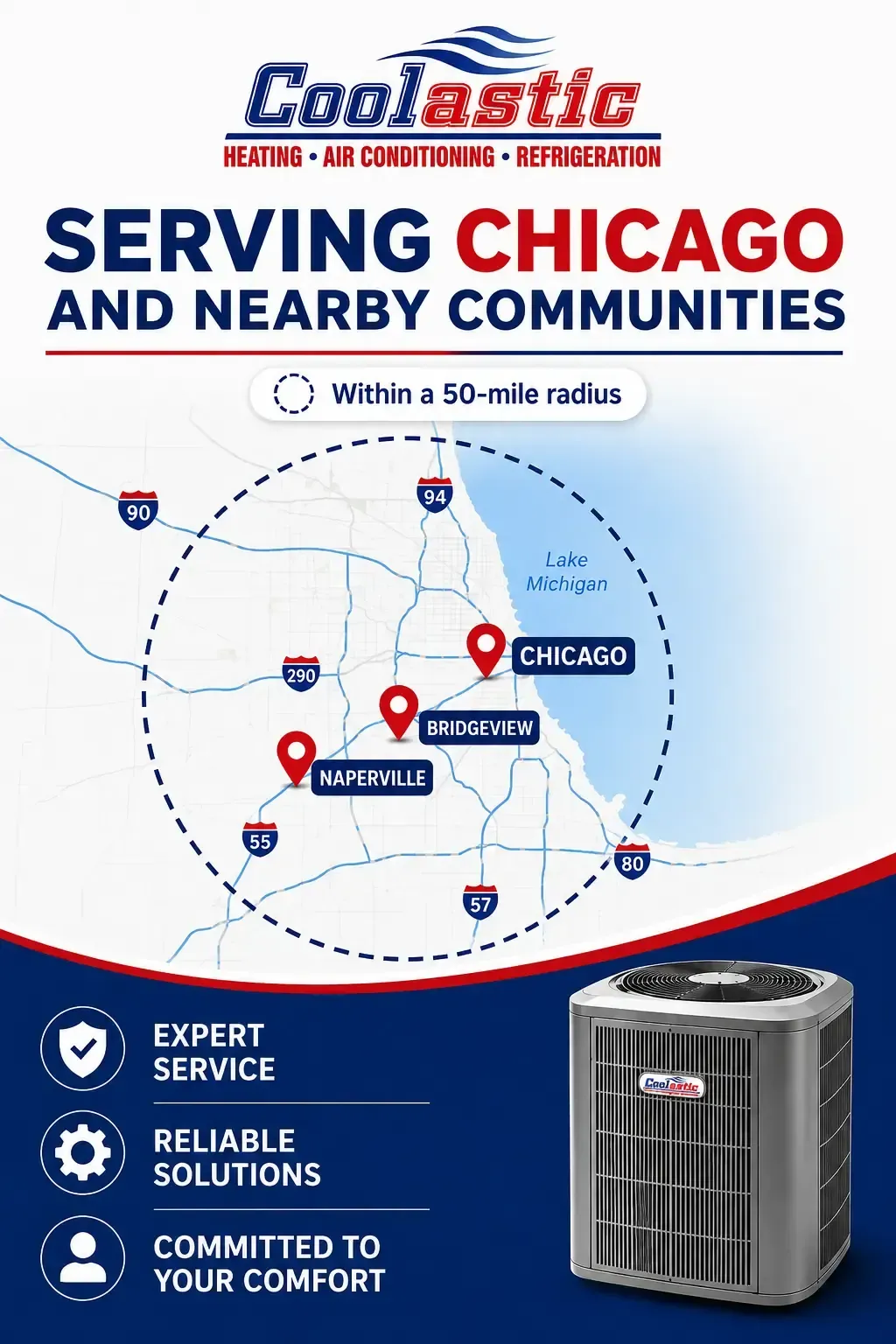
The company serves residential and commercial customers within a stated 50-mile radius from its Bridgeview location. Review the listed service areas or contact the team to confirm service availability for your address.
Warning Signs That Mean HVAC Service Should Not Wait
Professional attention should not be limited to complete equipment failures. Changes in performance often provide an earlier opportunity to identify a developing problem and understand the available options.
Common warning signs include:
Weak or noticeably reduced airflow
Rooms becoming harder to keep comfortable
Equipment repeatedly turning on and off
New or unfamiliar operating noises
Unexpected odors around equipment or vents
Moisture appearing near HVAC components
Thermostats or controls responding inconsistently
Unexpected increases in energy use
Refrigeration temperatures becoming unstable
Many homes benefit from professional attention before peak heating and cooling seasons. Commercial maintenance schedules may need to consider operating hours, occupancy, equipment type, usage levels, and the potential impact of downtime.
Learn more by reading how often to service HVAC.
Some conditions require faster action. Do not delay when indoor temperatures could become unsafe, a no-heat condition creates a risk to plumbing, or refrigeration performance may affect temperature-sensitive inventory. If you smell gas, see smoke, or suspect carbon monoxide, leave the area and contact the appropriate emergency or utility service first.
Key Factors That Shape HVAC Service and Installation Costs
There is no single price that accurately represents every HVAC project. Service costs depend on what the evaluation reveals and the work required to address the underlying issue.
Several factors can influence an estimate:
Type and size of equipment involved
Diagnostic findings and system condition
Parts or components required
Accessibility of the equipment
Urgency and scheduling requirements
Number of systems or building zones involved
Ductwork, controls, electrical, or drainage requirements
Commercial operating constraints or downtime concerns
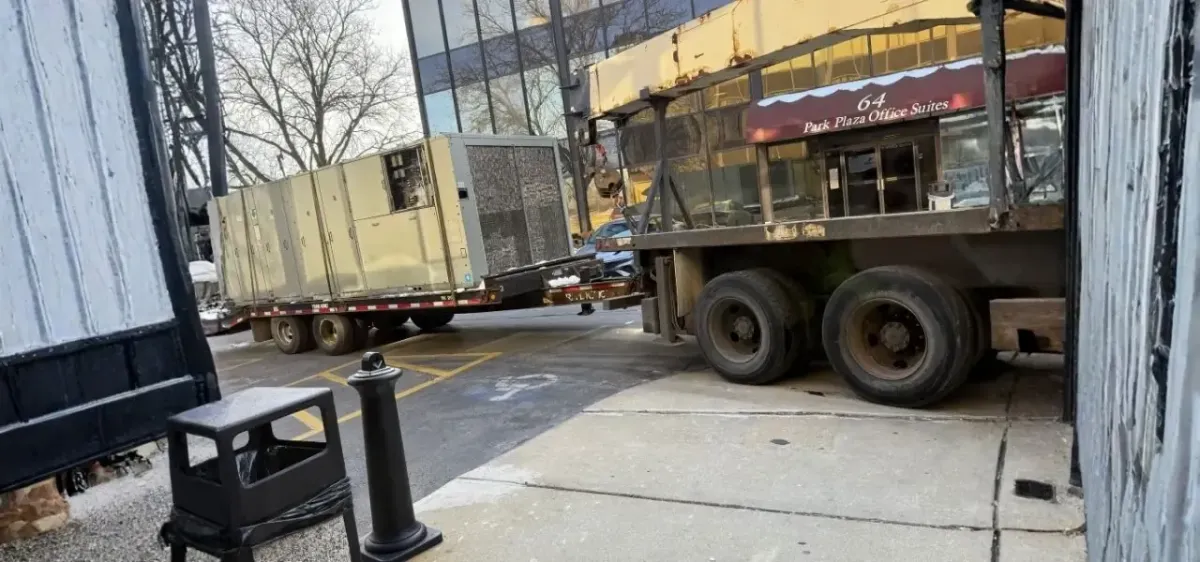
Installation and replacement costs may also reflect equipment capacity, efficiency, existing duct conditions, controls, labor, access, and building requirements. Comparing only the equipment price can create an incomplete picture. Customers should compare the full proposed scope and understand what each estimate includes.
Use the HVAC installation cost factors guide to prepare for an estimate.
Compare HVAC Providers Using Clear Service and Trust Factors
The lowest quoted price or fastest promise should not be the only factor used when selecting a provider. A reliable comparison looks at credentials, communication, scope, transparency, and whether the company regularly works with your type of property and equipment.
Confirm relevant experience: Ask whether the provider handles the equipment and property type involved.
Verify credentials: Licensing and insurance provide important accountability when professional work is performed.
Understand the evaluation: Recommendations should connect the observed problem to the proposed solution.
Review the estimate: Look for a clear explanation of what is included and what circumstances could change the scope.
Discuss scheduling: Understand access requirements, expected timing, and any operational limitations.
Consider availability: Emergency access may matter when comfort, equipment, or inventory is at immediate risk.
Review completed work: Project examples can help customers understand the provider's range of experience.
Learn more about Coolastic and review the company's HVAC project portfolio.
Why Choose Coolastic Heating & Cooling Services Today
Experience dating to 1988 provides a long foundation for evaluating heating, cooling, and related building comfort needs. The team is licensed and insured and works with both residential and commercial properties throughout its stated service area.
Free estimates can also make it easier to understand potential project scope before moving forward. When urgent equipment or comfort problems occur, 24/7 availability gives customers another way to request assistance outside standard scheduling windows.
Clear communication remains important throughout the process. Customers should understand what was observed, which options are available, and why a particular next step may make sense for the property.
What to Expect After You Contact Our Team
A simple process can help customers prepare useful information and understand what happens next.
Describe the situation: Share the property type, equipment, symptoms, timing, and any comfort or operational concerns.
Identify the service category: The team can determine which type of evaluation or service is most appropriate.
Review the findings: Available options and recommended next steps should be explained clearly.
Choose how to proceed: Customers can consider the scope before deciding what works for their property.
Coordinate scheduling: Once a direction is selected, the work can be arranged around applicable access and scheduling requirements.
The exact process varies according to equipment and findings, but these steps provide a clearer starting point for both homeowners and commercial property managers.
Frequently Asked Questions
Do you work with homes and commercial properties?
Yes. Coolastic Heating & Cooling Services works with both property types. Residential HVAC services generally focus on household comfort and equipment performance, while commercial HVAC services may also account for occupancy, operating schedules, larger equipment, multiple zones, and downtime.
Can I request HVAC help outside standard hours?
Yes. 24/7 availability provides an option when urgent heating, cooling, refrigeration, or comfort concerns cannot wait for regular scheduling. Safety emergencies involving smoke, gas odors, or suspected carbon monoxide should first be handled through the appropriate emergency or utility service.
What determines the cost of professional HVAC work?
Equipment type, diagnostic findings, system condition, parts, labor, accessibility, urgency, and total project scope can influence pricing. Installation estimates may also account for equipment sizing, efficiency, ducts, controls, drainage, electrical needs, and property conditions.
Is refrigeration support available for commercial properties?
Yes. Commercial refrigeration services can help businesses address maintenance requirements, equipment performance changes, temperature concerns, and urgent operational problems. Providing equipment details and symptoms can help clarify the appropriate next step.
Can HVAC systems affect the air inside a property?
Yes. An indoor air quality evaluation can consider filtration, ventilation, humidity, airflow, and overall system conditions. The appropriate approach depends on the specific concern rather than assuming every property requires the same solution.
Build a Practical HVAC Service Plan for Chicago
A comfortable and functional property begins with understanding what the equipment and building actually need. Whether the concern involves seasonal performance, airflow, refrigeration, controls, maintenance, or long-term equipment planning, a professional evaluation can provide a clearer direction.
Coolastic Heating & Cooling Services offers free estimates, residential and commercial experience, licensed and insured service, and 24/7 availability throughout its Chicago Metro service area. Call (708) 935-6279 or send your project information online to begin discussing the appropriate next step.
Schedule Your Free Appointment Now
License and insurance
We cover a 50-mile radius
Schedule 24/7
Payment Methods: Cash, check, Zelle, Cash App.

@ 2026 - Coolastic Heating & Cooling Services | All Rights Reserved